Business Solution
A strategy is only as good as its execution. We plan and run the commercial relationships —
timber, woodchip and land — that turn a land plan into realised revenue.
Three commercial channels
Business Growth
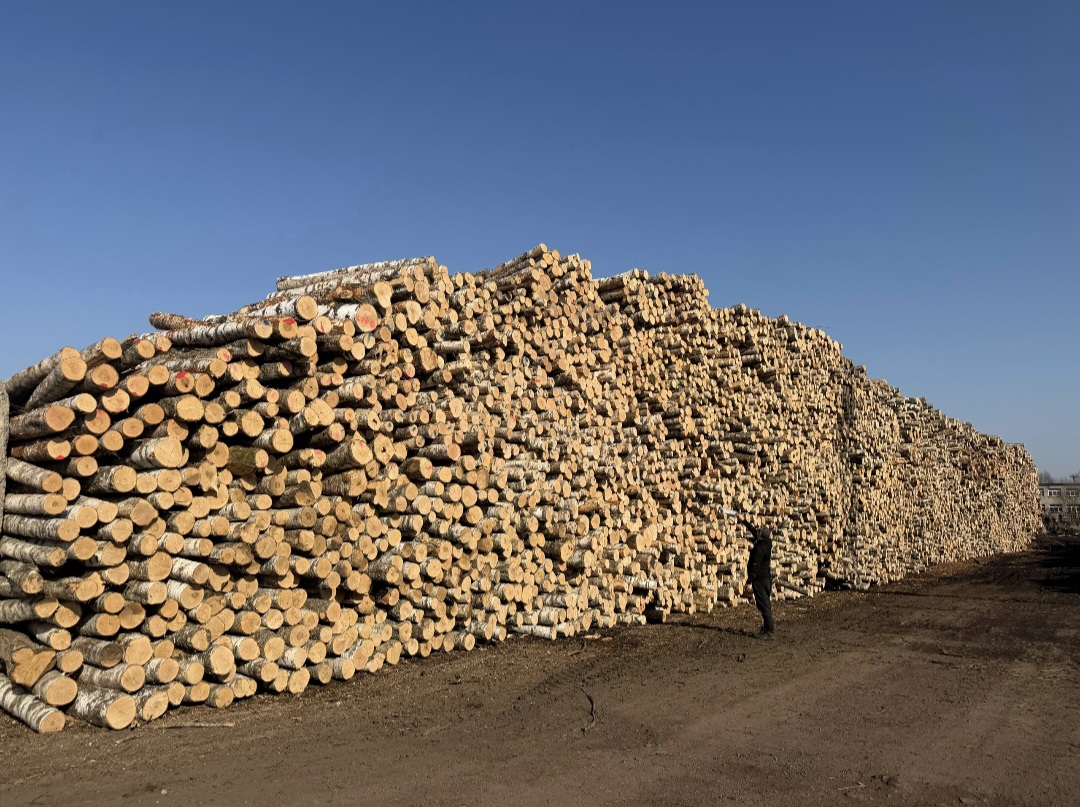
Timber sales:
sawmills, pulp and paper mills, and export timber merchants purchase felled and
graded timber from our forest parcels, under terms agreed before harvesting begins wherever
possible.
Woodchip / biomass sale:
biomass and energy buyers purchase lower-grade material and
harvesting residue, converting what would otherwise be a cost into an additional revenue line
from the same felling operation.
Land sale:
cleared and development-ready agricultural land, and mature or harvested forest
land, is sold to institutional and strategic buyers — farming operations, ALTUM-linked
programmes, and Nordic forestry investors such as Ingka Investments — once it meets the exit
criteria set in the individual land plan.
Partner selection and vetting:
We select partners — timber buyers, woodchip buyers and land buyers — on commercial reliability,
not just price. Before entering a supply or sale agreement, we assess a partner’s payment history and
track record, financial standing, and capacity to complete on the agreed timeline. Partners with a
history of delayed payment or renegotiation after delivery are avoided, even where the headline price
is competitive, because reliable settlement is what allows us to plan cash flow to investors.
Execution workflow
Step Activity Owner / partner
1.Land and timber valuation, buyer
identification Silvaland market research team.
2.Harvesting rights or land purchase,
registration in Zemesgramata.lv Silvaland + notary / land registry
3.Clearing, stump/root removal
(agricultural land only) Vetted local contractors
4.Harvesting and timber grading Vetted harvesting contractors
5.Sale of timber, woodchip and/or
land
Sawmills, biomass buyers,
institutional land buyers
5.Proceeds distribution Silvaland finance team
Locking in price before we buy
Wherever possible, we agree indicative pricing with a timber, woodchip or land buyer before finalizing
the underlying acquisition. This mirrors our strategy approach: the commercial exit is identified first,
and capital is committed second, which reduces the risk of buying an asset without a clear, priced
route to realise its value.
Why this matters to investors:
Diversified buyer base:
relationships with multiple sawmills, biomass buyers and land buyers
mean no single counterparty failure stops a sale.
Payment discipline:
partner payment history is checked before contracts are signed, protecting
projected cash flows to the platform.
Repeatable process:
standardized steps from acquisition to sale, repeated across every parcel,
make execution predictable and auditable.
